A Bowl Lot to Think About, things to consider when choosing a pet bowl.
Choosing the best bowl for your pet can be a challenge. This post gives you a BOWL lot to think about when deciding the best option for serving your pet their food and water.
Chris
2/7/20264 min read

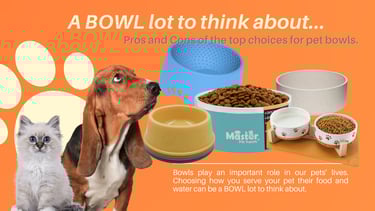
Bowls play an important role in the life of our pets. There are so many options when it comes to choosing the right bowl for your pet's food and water. There's the material the bowls are made of; plastic, stainless steel, glass and ceramic are the top 4, but then there is also bamboo, wheat straw, silicone, melamine and even brass or marble.
Here is a breakdown of the pros and cons of the top choices for bowls bowls highlighting the health and safety considerations so you can decide which is best for you and your pet. I will also share a few bowls I have found while researching for my own pets.
Pros:
Plastic doesn't break as easily
Lightweight and easy to move/pack
Very affordable
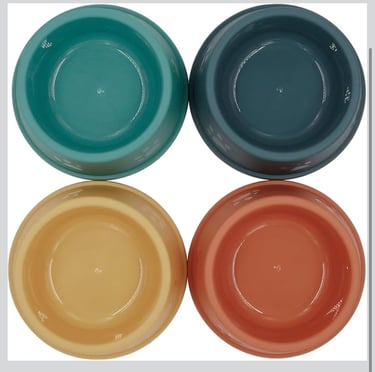
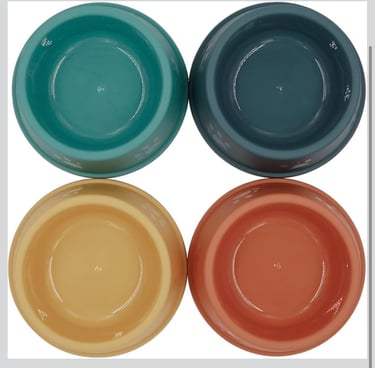
Variety - more colors and fun or cute designs
Can be microwaved
Cons:
Scratch easily - scratches or cracks can harbor bacteria which can eventually lead to health issues
Lower quality plastics may contain toxins like BPA or other chemicals. High levels of BPA have been linked to cancer, infertility and other health issues for pets and humans.
Some dogs can develop skin allergies or other reactions, like chin acne from plastics.
If you choose plastic, look for BPA-free, food-grade options and clean and replace them often.
Pros:
Highly durable and long lasting
Easy to clean - usually dishwasher safe
Resistant to bacteria, rush and scratches
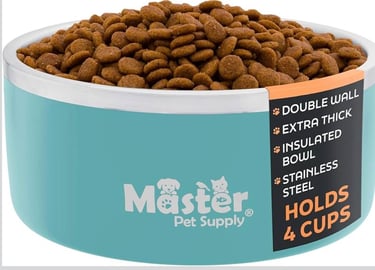
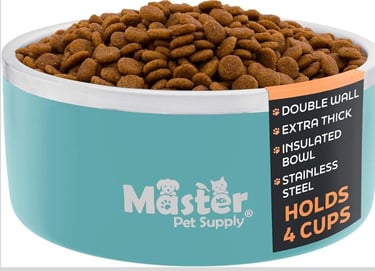
Growing in variety with styles, designs and even colors, including insulated
Cons:
Some cheaper steels may dent
Lighter steels can slide around while eating, but can be purchased with rubber lining around the bottom to help with that.
Cannot be microwaved
Stainless steel is one of the healthiest options for your pets. It doesn't leach chemicals or trap bacteria. Best choices include 18/8 or 18/10 food-grade quality.
Pros:
Non-toxic and chemical free
Smooth surface that's easy to clean
Doesn't scratch easily
Safe for dishwasher and microwave
Cons:
Prone to breaking and chipping
Heavy
Usually more expensive
Can develop that crusty biofilm that is hard to clean off if not cleaned regularly
Not many options
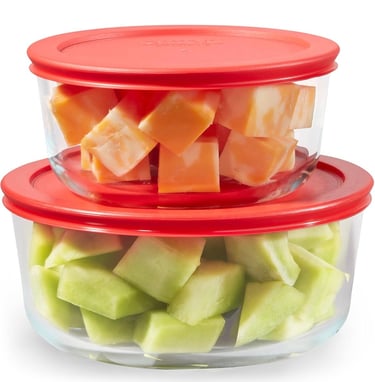
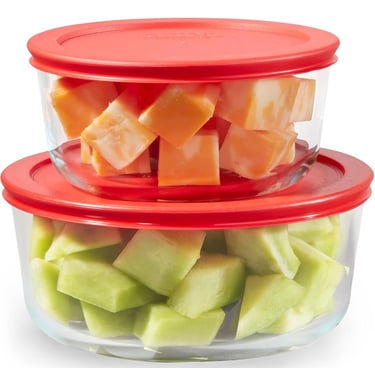
Glass is a solid choice for pets with sensitivities because it is naturally nonreactive and safe, However, being breakable can bring other challenges. Pyrex glass is a tried and true option, which is why I chose them for this Blog. There are actually pet bowls of glass available.
Pros:
Heavy and stable for less tipping and sliding
Often attractive with colors and designs
Safe for dishwasher and microwave
Cons:
Cheap ceramics may have glazes with lead or other hazardous chemicals
Can chip or break, which can harbor bacteria
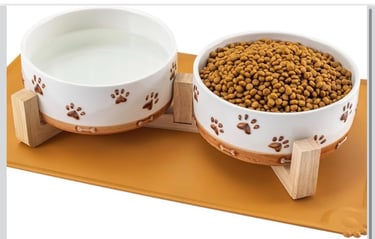
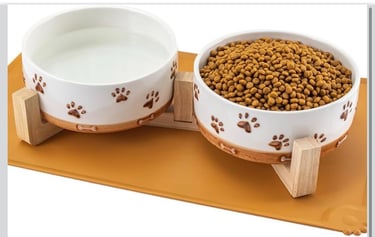
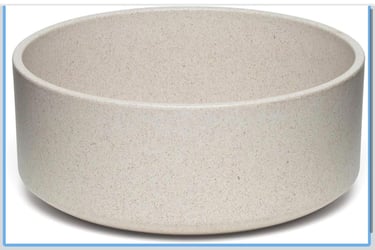
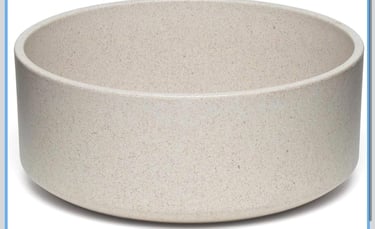
If choosing ceramic, make sure it is food-safe and lead-free. Unglazed ceramics are porous which can lead to bacterial build up. There are so many fun options in ceramic bowls. It was hard to choose one to share.
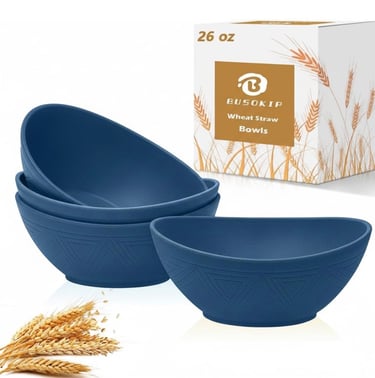
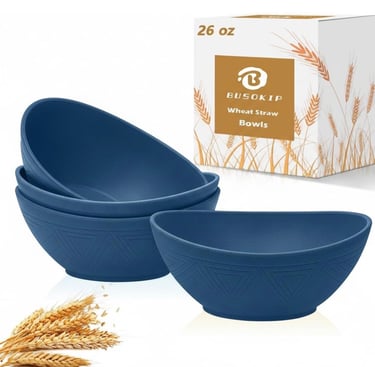
BAMBOO AND WHEAT STRAW:
Pros:
Eco-friendly and biodegradable
Lightweight, attractive and affordable
Wheat Straw is considered microwave and dishwasher safe
Durable and Sustainable
Cons:
More likely to absorb odors, stains and moisture if not rinsed and dried properly
Bamboo is not microwave safe, but dishwasher safe, but Wheat Straw is both.
Cleaning is a big factor in bowls made of this material. They would need to be cleaned regularly and allowed to dry completely. I wouldn't recommend either of them be used for water bowls and only short-term for food bowls, or replace them regularly if used for food.
Pros:
Flexible, collapsible, and travel-friendly
Dishwasher and microwave safe
Soft edges and offer "quiet" eating
Good for sensitive mouths
Cons:
Not recommended for dogs who are chewers and these bowls can be easily chewed up
May attract odors and become sticky if not rinsed well between feedings. If used for water, the water may need to be changed often.
Silicone is a great choice for traveling and outdoors. I have used them for some of my older dogs. Otherwise, not ideal for every-day use.
Stainless Steel or Glass are probably the best for hygiene, durability and overall health of your pet. However, you know what works best for your own lifestyle and your pets. Bottom line is cleaning...cleaning your pet's water and food bowls regularly is essential. Also, pay careful attention to your pet over time. If you notice skin or gut irritations, it could be something as simple as changing the type of bowl you're using for them. I had a close friend whose Great Dane developed a weird rash around her muzzle. They tried several things to clear it up, but nothing worked until the Veterinarian suggested changing her water bowl. Turns out it was a form of acne. Changing her bowl did the trick.
Choosing how your serve your pet their food and water can give you a BOWL lot to think about.
Links are affiliate links